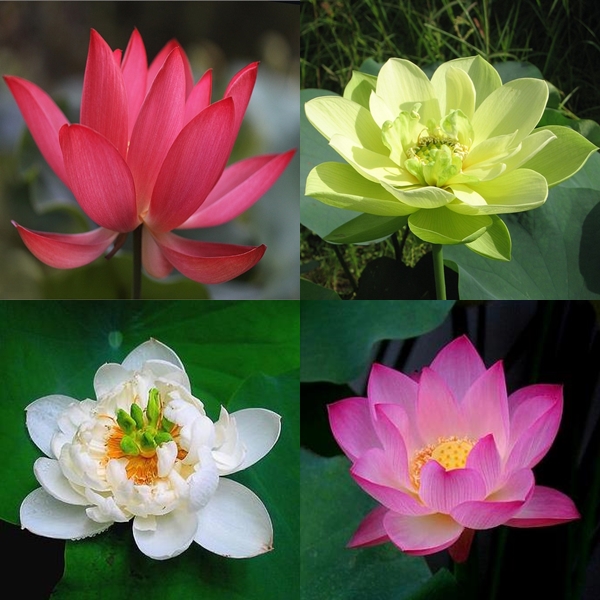
Edible Lotus Seeds Mix – 5 Seeds – Grow Your Own Aquatic Plants
SALE
$ 15.29
Overview Discover the joy of cultivating your own aquatic garden with our premium edible lotus seeds mix. This selection offers 5 seeds from multiple lotus varieties, ensuring diversity in flavor and texture, perfect for those who want to grow lotus from seed. Lotus plants are celebrated not only for their stunning, serene blooms that bring a touch of elegance to any water feature or container but also for their highly nutritious and versatile seeds. These seeds are a delightful addition to various dishes, offering a delicate flavor and subtle crunch. Whether you’re an experienced gardener or a beginner eager to explore the world of aquatic plants, this mix provides everything you need to start your journey into growing these magnificent and beneficial plants. Our edible lotus seeds are carefully selected to ensure high germination rates and robust plant growth, making it easier than ever to enjoy the beauty and bounty of the lotus. Growing lotus is a rewarding experience, transforming your outdoor pond or even an indoor water container into a vibrant ecosystem. Beyond their aesthetic appeal, the seeds themselves are a culinary treasure, rich in nutrients and widely used in Asian cuisine. This mix allows you to cultivate a sustainable source of fresh lotus seeds right at home, providing both a visual spectacle and a healthy food source. Embrace the tranquility and abundance that comes with growing your own lotus plants from these high-quality seeds. Key Benefits Our edible lotus seeds offer a multitude of benefits, combining ornamental beauty with practical applications: Dual Purpose Plant: Enjoy the spectacular, large flowers that add an exotic touch to water gardens, as well as the nutritious seeds that can be harvested for culinary use. This makes it a truly versatile addition to your garden. Nutrient-Rich Food Source: Lotus seeds are packed with protein, fiber, and essential minerals, making them a healthy snack or ingredient in various dishes. Growing your own ensures a fresh supply of these beneficial seeds. Easy to Grow: With basic care and the right conditions, these aquatic plant seeds are relatively simple to germinate and cultivate, even for novice gardeners. Detailed instructions guide you through the process, making it accessible to all. Versatile Growing Environments: Suitable for a variety of settings, including garden ponds, large water features, or even indoor containers, offering flexibility for different living spaces. Enhances Water Features: Lotus plants naturally filter water and provide shade, contributing to a healthier and more balanced aquatic ecosystem. They create a serene and beautiful environment. Unique Culinary Experience: Harvest fresh lotus seeds for cooking in soups, desserts, or stir-fries, adding a unique texture and delicate flavor to your meals. Sustainable Gardening: Growing your own edible lotus seeds reduces reliance on commercially sourced products, promoting a more sustainable and self-sufficient lifestyle. Plant Care & Growing Tips To successfully grow lotus from seed, proper care and attention to their unique needs are crucial. Begin by scarifying the hard outer shell of each seed, typically by gently filing or sanding one end until the lighter inner layer is visible. This helps water penetrate and initiates germination. After scarification, soak the edible lotus seeds in warm (about 70-85°F / 21-29°C) chlorine-free water. Change the water daily to prevent mold. Seeds should swell and sprout within 1-3 weeks. Once roots and a few leaves appear, they are ready for planting. For planting, place the sprouted seeds in rich, heavy soil (such as clay loam) at the bottom of a water-tight container or pond. Ensure the soil layer is at least 2-4 inches deep. Gently push the seeds into the soil, being careful not to damage the delicate sprouts, and cover them lightly with soil. Then, slowly fill the container with water, maintaining a depth of 4-6 inches above the soil initially. As the plant grows, you can gradually increase the water depth. Lotus plants thrive in full sun, requiring at least 6-8 hours of direct sunlight per day, so choose a sunny location. Maintain consistent water levels, replacing evaporated water as needed. Fertilize lightly once the plant is established, using aquatic plant fertilizer tablets pushed into the soil. Remove any yellowing leaves to encourage new growth and maintain plant health. With proper lotus plant care, you will soon enjoy beautiful blooms and a bountiful harvest of edible lotus seeds. Size & Details This product includes 5 edible lotus seeds, selected from a mix of varieties to offer diverse characteristics in your garden. Each seed is designed to germinate and grow into a robust lotus plant, reaching a mature height that can vary between 2 to 6 feet, depending on the variety and growing conditions. The spread of the foliage can also be significant, often spanning 3 to 5 feet, making them ideal for larger water features or spacious containers. When fully grown, the lotus flowers can be impressive, often 6 to 12 inches in diameter, showcasing a range of pinks, whites, and yellows. The seeds are shipped in their dormant state, ready for scarification and germination upon arrival. Expect germination to occur within 1-3 weeks after proper preparation, with the first blooms typically appearing in the second growing season, though some vigorous varieties may bloom in their first year under optimal conditions. The seeds themselves will be ready for harvest once the seed pods mature and dry, usually in late summer to early fall. This mix provides an excellent opportunity to cultivate your own supply of delicious and decorative aquatic plant seeds. Frequently Asked Questions Q: How do I prepare the edible lotus seeds for planting? A: Before planting, gently scarify the hard outer shell of each seed. Use a file or sandpaper to abrade one end until you see a lighter, creamy inner layer. This allows water to penetrate and trigger germination. Q: What kind of container is best for growing lotus? A: Lotus plants require a wide, watertight container without drainage holes, at least 15-24 inches in diameter for a single plant. A heavy, non-porous pot is ideal to prevent roots from escaping and to provide stability. Q: How much sunlight do lotus plants need? A: Lotus plants are sun-lovers and require a minimum of 6-8 hours of direct sunlight per day to thrive and produce blooms. Choose the sunniest spot in your garden or indoors for optimal growth. Q: Is this mix suitable for growing lotus seeds for cooking? A: Yes, absolutely! These are indeed edible lotus seeds, carefully selected to produce plants that yield delicious and nutritious seeds suitable for a variety of culinary uses, from snacks to traditional dishes. Q: How long does it take for lotus seeds to germinate? A: After proper scarification and soaking in warm water, most lotus seeds will begin to germinate within 1 to 3 weeks. You will see small roots and leaves emerging from the seed. Q: Can I grow these lotus seeds indoors? A: Yes, you can grow lotus from seed indoors, provided you have a large enough watertight container and can supply ample sunlight, ideally near a south-facing window, or use grow lights. Q: What is the best soil for lotus plants? A: Lotus plants prefer heavy, rich soil, such as clay loam or a mixture of topsoil and aquatic planting medium. Avoid light potting mixes that can float away in water. Q: When is the best time to plant lotus seeds? A: The best time to plant lotus seeds is in late spring or early summer when water temperatures are consistently warm, typically above 70°F (21°C). Q: How often should I fertilize my lotus plant? A: Fertilize established lotus plants sparingly, typically once a month during the growing season (spring through summer), using specialized aquatic plant fertilizer tablets pushed into the soil. Q: What kind of lotus plant care is needed for healthy growth? A: Key care elements include ample sunlight, consistent water levels, appropriate soil, and occasional fertilization. Removing yellowing leaves also helps maintain plant vigor.