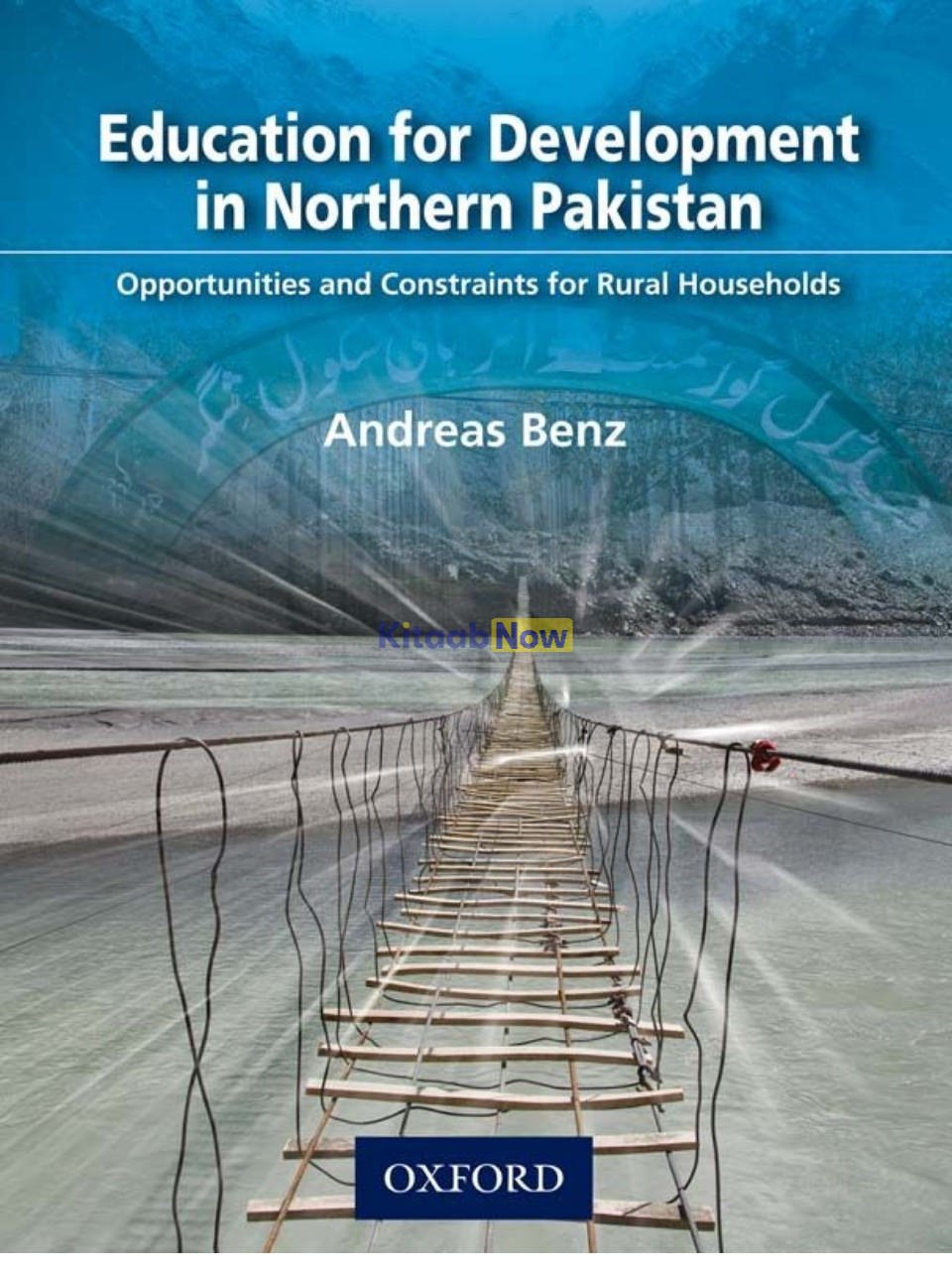
Education for Development in Northern Pakistan: Opportunities and Constraints for Rural Households
SALE
$ 0.97
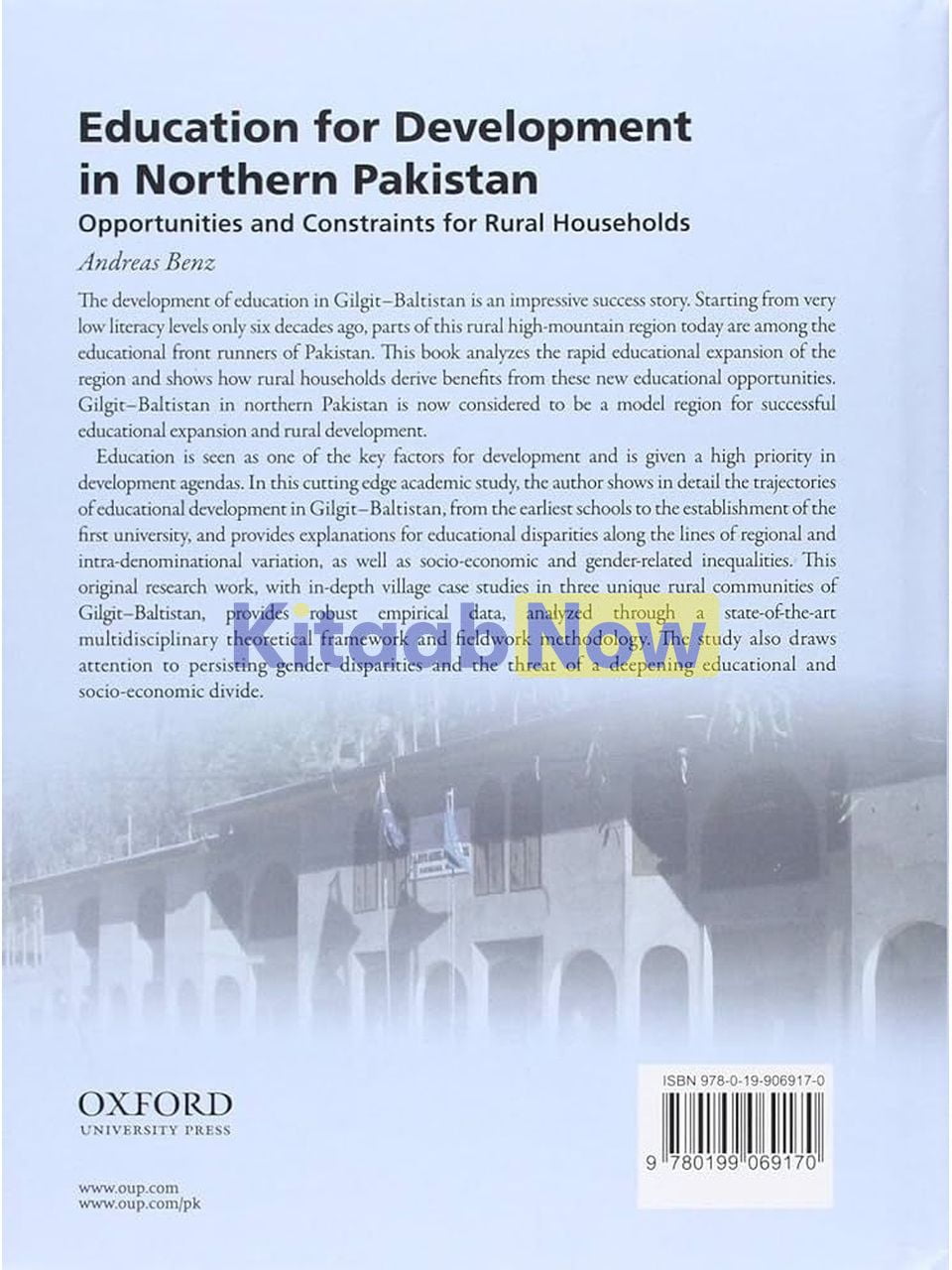
DescriptionThe development of education in Gilgit–Baltistan is an impressive success story. Starting from very low literacy levels only six decades ago, parts of this rural high-mountain region today are among the educational front runners of Pakistan. This book analyzes the rapid educational expansion of the region and shows how rural households derive benefits from these new educational opportunities. Gilgit–Baltistan in northern Pakistan is now considered to be a model region for successful educational expansion and rural development.Education is seen as one of the key factors for development and is given a high priority in development agendas. In this cutting edge academic study, the author shows in detail the trajectories of educational development in Gilgit–Baltistan, from the earliest schools to the establishment of the first university, and provides explanations for educational disparities along the lines of regional and intra-denominational variation, as well as socio-economic and gender-related inequalities. This original research work, with in-depth village case studies in three unique rural communities of Gilgit–Baltistan, provides robust empirical data, analyzed through a state-of-the-art multidisciplinary theoretical framework and fieldwork methodology. The study also draws attention to persisting gender disparities and the threat of a deepening educational and socio-economic divide.Table of ContentsList of TablesList of FiguresList of AbbreviationsSection 1. Introduction: The Sparkle in the MountainsSection 2. Theoretical Perspectives on Education and DevelopmentEducation and Development TheoriesEconomics of Education and Human Capital ApproachSociology of EducationSynopsis: A Dialectical Perspective on Education for DevelopmentSection 3 Research DesignAnalytical Framework and Research QuestionsMethodologyStructure of Secondary Sources on Education in Gilgit-BaltistanSection 4. Introduction to the Research RegionDynamics of Livelihood Change in Gilgit-BaltistanIntroduction to the Case Study VillagesSection 5 The Education System in Pakistan and Gilgit-BaltistanThe Challenges of Education in PakistanThe Rise of Non-Elitist Private SchoolsA Short History of Educational Expansion in Gilgit-BaltistanSection 6 The State of Education in Gilgit-Baltistan in Regional and Historical PerspectiveRegional Disparities in the Levels of Education in Gilgit-BaltistanRegional Disparities in Enrolment in Gilgit-BaltistanGilgit-Baltistan’s Rising Education Levels in Historical PerspectiveSection 7. Livelihood Strategies on EducationRationales and Motives for Educational Behaviour and Expectations of Future Education Outcomes‘Housework for Girls, Education for Boys?’ – Gendered Education RationalesParents’ Considerations on the ‘Right Type of Education’ and their School PreferencesOpening the Black Box: Intra-HouseholdDecision-Making, Gender Roles and the Division of LabourIntra-Household Status Hierarchies and Unequal Power in Decision-MakingMobilization of Household Resources for Education Strategies – Who Takes on the Burdens and Costs of Education?Intra-Household Resource Allocation for Educational Investments: Unequal Distribution of Educational opportunitiesRelevance of Parents’ Education Level for Children’s EducationEducation Migration: Ways to Higher EducationAlternative Ways to Obtain Higher Education – Distance Education, Home Learning, and Coaching ClassesSection 8. Educational OutcomesParticipation in Formal Sector Employment and Business ActivitiesEducation and IncomeLabour Migration: Between Brain-Drain and Beneficial RemittancesPolitical Participation and Civil SocietyFemale Education and Empowerment – Changing Gender Roles in the Household and the CommunityEducation and Changing Prospects in the “Marriage Market”Section 9. Conclusion and Final RemarksReferencesAnnexuresAuthor BiographyDr Andreas Benz is a research associate at the Centre for Development Studies (ZELF), Freie Universit?t, Berlin, Germany. He has studied Human Geography, Islamic Studies, and Political Science at Albert-Ludwigs-Universit?t, Freiburg and Freie Universit?t, Berlin. He completed his PhD in 2011 on the topic of education and development in the Gilgit–Baltistan region of northern Pakistan, based on numerous research visits to the region between 2006 and 2010. Since 2011, he has been a member and research associate for Crossroads Asia: Conflict, Migration, Development, a research network, for whom Dr Benz is conducting a four-year study on student mobility and migration in northern Pakistan and north-western India.